
Artificial Intelligence and Education: How AI Will Change the Way We Learn
Читати українською мовою
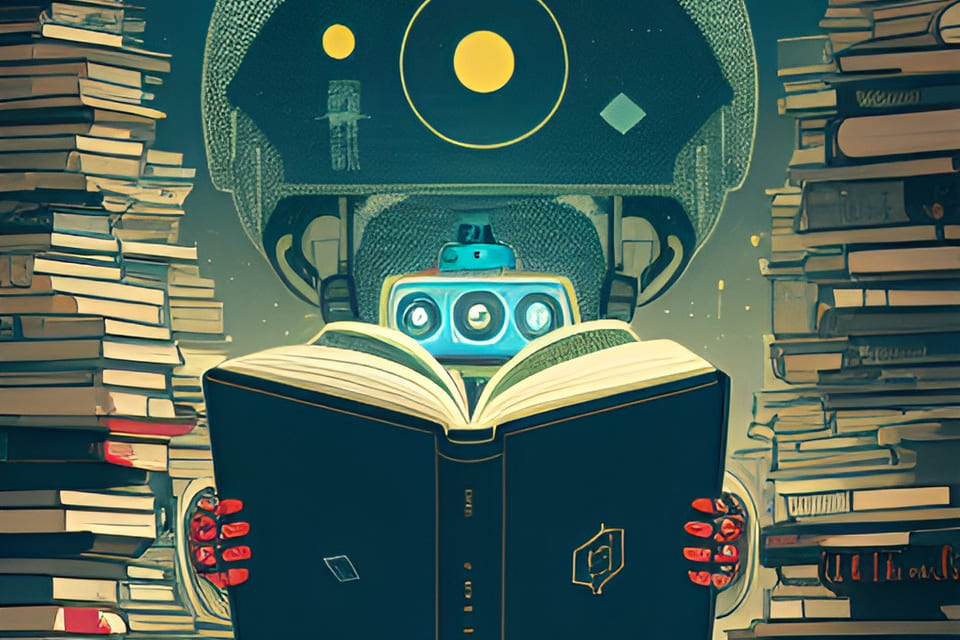
Artificial intelligence (AI) has the potential to revolutionize the education sector in ways that were once thought impossible. From personalized learning to intelligent tutoring systems, AI has the power to transform the way we teach and learn. In this article, we will explore how AI is changing the face of education and the implications it has for the future.
Personalized Learning
One of the most significant benefits of AI in education is its ability to provide personalized learning experiences. With AI-powered adaptive learning software, students can learn at their own pace and receive targeted feedback based on their individual strengths and weaknesses. This approach to learning can help to increase student engagement and motivation, leading to better learning outcomes.
Moreover, personalized learning with AI can help to address the problem of educational inequality. Traditionally, the educational system has been designed to provide a one-size-fits-all approach to learning, which can disadvantage students who learn differently or who come from different backgrounds. However, with the help of AI, educators can create more individualized learning paths for students, tailored to their unique needs and preferences.
Intelligent Tutoring Systems
AI can also be used to create intelligent tutoring systems that can provide students with personalized feedback and support. These systems use machine learning algorithms to analyze student data and provide tailored instruction that meets the specific needs of each student. This approach can be particularly beneficial for students who are struggling with a particular concept or subject area.
Intelligent tutoring systems (ITS) are rapidly gaining popularity in the field of education, thanks to their ability to provide personalized feedback and support to students. These systems are designed to emulate the role of a human tutor, providing learners with tailored instruction and feedback that is tailored to their individual needs.
One of the key advantages of ITS is that they can analyze vast amounts of student data, such as their learning styles, academic history, and cognitive abilities. This data is then used to create a personalized learning plan for each student, which can include targeted activities, feedback, and support.
Automated Grading
Another way AI is changing education is through automated grading systems. AI-powered grading software can analyze student work and provide feedback in real-time, helping to reduce the time and resources needed for manual grading. This can free up teachers to focus on other important aspects of their role, such as providing individualized support to students.
Furthermore, automated grading systems can provide students with immediate feedback on their work, which can be incredibly useful in helping them to identify areas where they need to improve. This can help students to become more self-directed and motivated in their learning, as they are able to see their progress and work towards specific goals.
However, some critics argue that automated grading systems may not be as accurate as human grading, and that they may struggle to evaluate more subjective aspects of student work, such as creativity or critical thinking. Despite these concerns, it is clear that AI-powered grading systems have the potential to revolutionize the way we assess student work and provide feedback, offering a more efficient, objective, and personalized approach to grading.
Challenges and Limitations
While AI has the potential to revolutionize education, it is not without its challenges and limitations. One major concern is the potential for bias in AI algorithms, which could lead to unfair treatment of certain students or groups. Additionally, there is a risk that AI could replace human teachers altogether, leading to a loss of important social and emotional learning experiences.
Another challenge facing the use of AI in education is the lack of transparency and interpretability of AI algorithms. Teachers and students may not understand how the algorithms are making decisions or providing feedback, which could lead to a lack of trust in the technology. Moreover, there is a risk that AI-powered educational tools may not be accessible to all students due to issues such as lack of access to technology or internet connectivity, which could further exacerbate existing educational inequalities.
Another limitation of AI in education is the potential for overreliance on technology. While technology can certainly enhance the learning experience, it cannot replace the human element of education. Teachers bring a wealth of knowledge, experience, and interpersonal skills to the classroom that cannot be replicated by machines. It is important to strike a balance between using technology to enhance learning and preserving the essential human elements of education.
Conclusion
AI has the potential to transform the way we teach and learn, offering personalized learning experiences and intelligent tutoring systems that can help students achieve better outcomes. However, it is important to approach the integration of AI in education with caution, taking into account the potential risks and limitations. Ultimately, the goal should be to harness the power of AI to enhance the quality of education and improve student outcomes.